Building a Guard App That Works on ₹5,000 Android Phones
The Device Reality
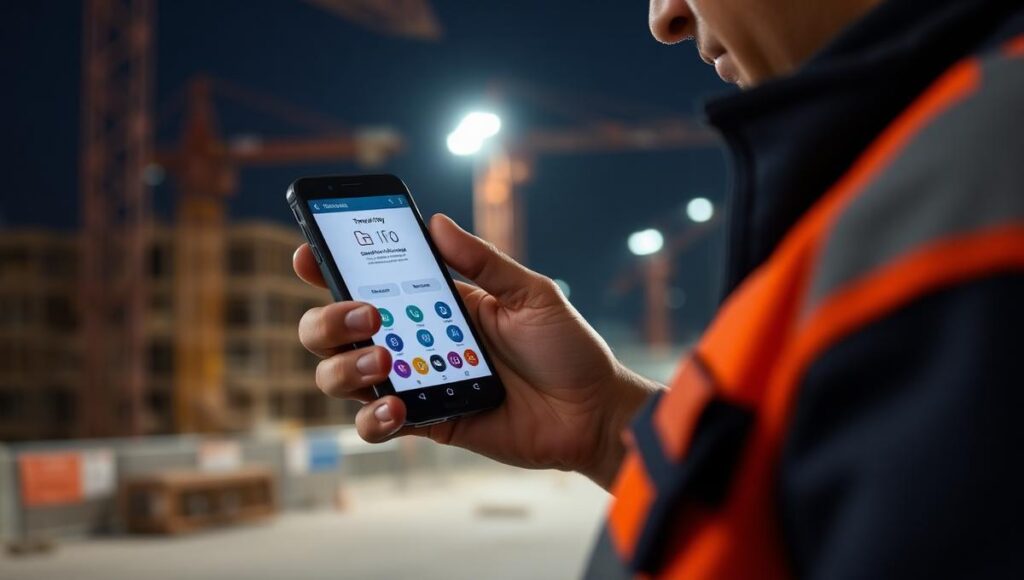
In India, the average security guard earns ₹12,000-18,000 per month. Their smartphones typically cost ₹5,000-8,000. These devices have:
- 2GB RAM or less
- 16-32GB storage (with much of it already used)
- Older Android versions (Android 9-11)
- Slow processors that struggle with heavy apps
- Intermittent network connectivity in many deployment areas
Any guard management app that doesn’t work on these devices is practically useless for Indian security agencies.
Design Principles for Low-End Devices
Lightweight App Size
The app should be under 15MB installed. Guards won’t (or can’t) download a 100MB app. Key strategies:
- Minimal dependencies and libraries
- Compressed assets and images
- On-demand loading of features
- No unnecessary background services
Minimal Battery Impact
GPS tracking is essential but battery-draining. Smart approaches include:
- Intelligent location polling (frequent when moving, less when stationary)
- Batch data uploads instead of real-time streaming
- Wake lock management to prevent unnecessary CPU usage
Offline-First Architecture
Guards work in basements, rural areas, and zones with poor connectivity. The app must:
- Allow check-in/check-out even without internet
- Queue incident reports for upload when connected
- Cache QR patrol scans locally
- Sync all data automatically when network returns
Simple, Intuitive Interface
Most guards are not tech-savvy. The interface must be:
- Large, clearly labelled buttons
- Minimal text input (use selections and dropdowns)
- Available in local languages (Hindi, Tamil, Telugu, etc.)
- Visual feedback for every action (checkmarks, animations)
Testing on Real Devices
Don’t just test on emulators or flagship phones. Test on actual budget devices:
- Samsung Galaxy M series
- Redmi/Xiaomi entry-level models
- Realme C series
- Micromax and Lava devices
The GuardZapp Approach
GuardZapp’s mobile app is specifically optimised for the Indian market. It works on Android 8+ devices with as little as 1.5GB RAM, uses less than 10MB of storage, and includes offline mode for areas with poor connectivity. The interface is designed for quick, one-tap actions that guards can perform even while on patrol.