Why Real-Time GPS Tracking Is a Game-Changer for Security Agencies
The Problem: You Don’t Know Where Your Guards Are
For most security agencies in India, the biggest operational blind spot is guard location. Are your guards actually at the client site? Are they patrolling the assigned route? Or are they sitting in a tea stall two kilometres away while marking attendance remotely?
Without real-time visibility, agency owners rely on trust — and trust doesn’t scale.
How GPS Tracking Solves This
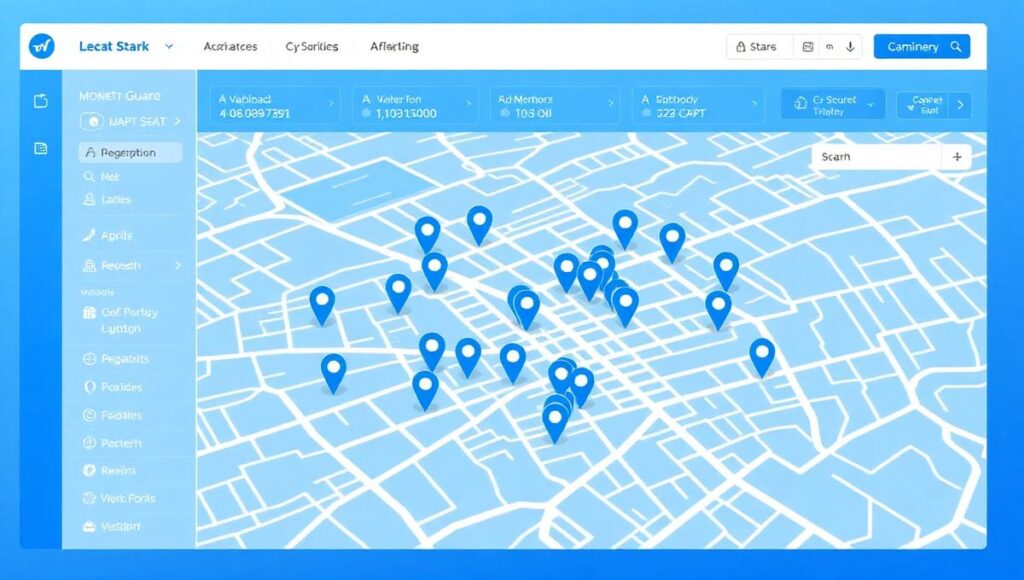
Modern guard management platforms like GuardZapp use live GPS tracking to show you exactly where every guard is at any given moment. Here’s what that looks like in practice:
- Live map view — See all deployed guards on a single dashboard map with real-time position updates.
- Geo-fence alerts — Set virtual boundaries around client sites. If a guard steps outside the boundary, you get an instant notification.
- Location history — Review the entire movement trail of any guard for any shift, useful for client disputes or incident investigations.
- GPS-verified attendance — Check-ins and check-outs are tagged with GPS coordinates, eliminating the possibility of fake attendance.
The Business Impact
Security agencies that implement GPS tracking typically see:
- 40% reduction in guard absenteeism — When guards know they’re being tracked, attendance and punctuality improve dramatically.
- Fewer client complaints — Clients can see proof that guards were on-site during contracted hours.
- Faster incident response — When an incident occurs, you can identify the nearest guard and dispatch them immediately.
- Reduced operational costs — Less time spent on phone calls verifying guard locations means your supervisors can focus on higher-value work.
What to Look For in a GPS Tracking Solution
Not all GPS tracking is created equal. When evaluating solutions, consider:
- Battery efficiency — The app should track location without draining the guard’s phone battery.
- Low-end device support — Most guards in India use budget Android phones. The app must work smoothly on these devices.
- Offline capability — Guards often work in areas with poor network coverage. The app should cache location data and sync when connectivity returns.
- Privacy controls — Tracking should only be active during work hours to respect guard privacy.
Conclusion
GPS tracking isn’t about surveillance — it’s about accountability and efficiency. For security agencies looking to scale operations, retain clients, and reduce losses, real-time guard tracking is no longer optional. It’s essential.