Back to Blog
QR Code Patrol Verification: Proving Your Guards Complete Every Round
The Patrol Compliance Challenge
For security agencies, patrol verification is one of the hardest things to prove. Clients pay for regular patrols, but how do you demonstrate that guards are actually completing their rounds?
Traditional methods are easily gamed:
- Paper logbooks — Guards can fill them in without actually patrolling
- Phone check-ins — A call from anywhere can sound like a call from the patrol route
- CCTV review — Time-consuming and only covers camera areas
How QR Patrol Verification Works
The concept is simple but powerful:
- Place QR codes at strategic points along patrol routes — entrances, parking areas, server rooms, fire exits
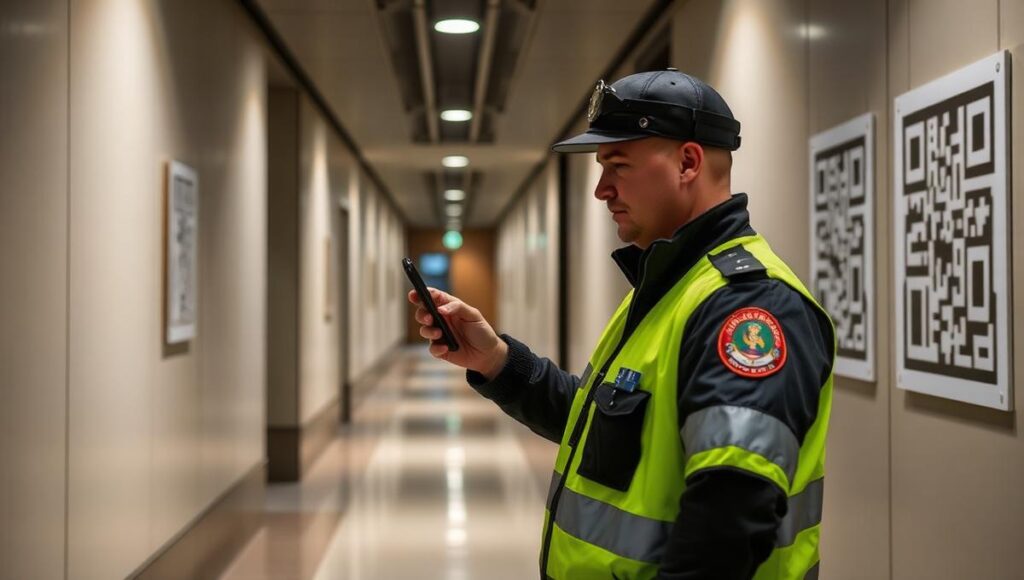
- Guards scan QR codes using the mobile app as they complete each checkpoint
- Each scan records the checkpoint ID, timestamp, GPS location, and guard identity
- Dashboard shows real-time patrol progress and historical completion data
What Makes It Effective
- QR codes are site-specific — Each code is unique to its location and cannot be duplicated
- Scan sequence matters — The system can verify guards followed the correct route order
- Missed checkpoints are flagged — If a guard skips a checkpoint, supervisors are alerted
- Time windows — Each checkpoint has an expected scan time window to prevent rushing through patrols
Setting Up QR Patrol Routes
Setting up a QR patrol system takes less than an hour per site:
- Map the patrol route — Identify critical checkpoints along the desired patrol path
- Generate QR codes — The platform generates unique, printable QR codes for each checkpoint
- Install at checkpoints — Print and laminate codes, then affix them at each location
- Configure the route — Set the expected scan sequence and time windows in the system
- Train guards — Show them how to scan (it takes 30 seconds to learn)
Client Value
QR patrol reports are incredibly powerful for client presentations. Show clients:
- 100% patrol completion rates with timestamped proof
- Patrol frequency — How many times each area was patrolled per shift
- Average patrol duration — Ensuring guards aren’t rushing through routes
- Exception reports — Any missed checkpoints with explanations
This level of transparency sets your agency apart from competitors who rely on verbal assurances.